

Is Sunscreen Necessary in Winter? What Dermatologists Want You to Know
Key Takeaways
- Yes, you need sunscreen in winter. UVA rays, which cause aging and contribute to skin cancer, are present all year and pass through clouds and windows.
- Snow reflects UV light, which can nearly double your exposure on bright winter days.
- Use a broad-spectrum SPF 30 or higher on any exposed skin, every day.
- New UV filters and better formulas make winter sunscreen lighter, more moisturizing and easier to wear.
When the temperature drops and the days get shorter, sunscreen is often the first step people drop from their routine. It feels like a summer product. But if you have ever wondered “do you need sunscreen in winter,” dermatologists have a clear answer: yes, every day.
Here is why, and how to make it a habit you will actually stick with.
Why the Sun Still Matters in Winter
Sunlight contains two main types of ultraviolet (UV) rays that affect your skin:
- UVB rays cause sunburn. They are weaker in winter, but they do not disappear.
- UVA rays penetrate deeper into the skin and cause wrinkles, dark spots and loss of firmness. They also contribute to skin cancer. UVA levels stay fairly steady through the year and can pass through clouds and window glass.
So even if you never feel the burn, UVA rays are still at work every time you walk to your car, sit by a window or spend an afternoon outdoors.
Snow Reflects UV Light
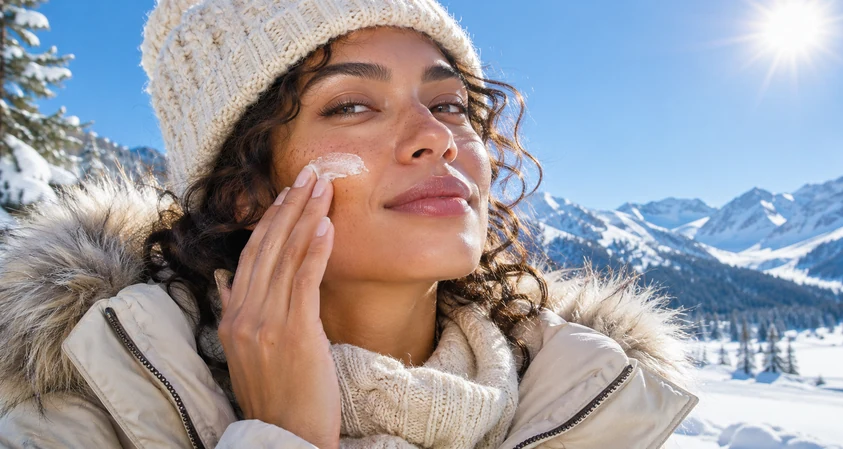
Fresh snow can reflect a large share of UV rays back up at your face, so you get hit from above and below. That is why skiers and snowboarders often come home with a sunburn in the middle of January.
Altitude Increases Exposure
UV intensity rises as you go higher. If you are heading to the mountains for a ski trip, your skin is getting more UV exposure than it would at sea level.
Clouds Do Not Block Everything
A grey winter day can still let most UV radiation through. Cloud cover is not a reliable shield.
Both Health Canada and the U.S. Food and Drug Administration recommend sun protection as part of everyday skin care, not just during the summer months.
Winter Sunscreen Just Got Easier
One reason people skip winter SPF is texture. Many sunscreens feel greasy, leave a white cast or sting dry skin. The good news is that formulas keep getting better. In 2026, the FDA approved bemotrizinol, the first new sunscreen filter for the U.S. market in decades. It provides broad-spectrum protection against both UVA and UVB, is very stable in sunlight, and works well in lightweight, elegant formulas.
Canadians have actually had access to bemotrizinol (often listed as Tinosorb S) for years, which is one reason many sunscreens sold in Canada and Europe feel lighter and more cosmetically pleasing. With the U.S. approval, expect even more next-generation formulas on shelves on both sides of the border.
How to Choose a Winter Sunscreen
- Broad spectrum: Make sure the label says it protects against both UVA and UVB.
- SPF 30 or higher: This is the minimum most dermatologists recommend for daily use. Go higher for skiing or long days outdoors.
- Hydrating ingredients: Look for glycerin, hyaluronic acid, ceramides or squalane to fight winter dryness.
- Fragrance-free if sensitive: Cold weather can make skin more reactive.
- Mineral or chemical: Both work. Mineral (zinc oxide, titanium dioxide) is often gentler on sensitive skin, while modern chemical filters tend to feel lighter.
For a refresher on SPF ratings and labels, read the basics of sunscreen you need to know.
How to Fit Sunscreen Into Your Winter Routine
- Cleanse and apply serums as usual.
- Moisturize. Let it absorb for a minute.
- Apply sunscreen as the last skincare step. Use about a half teaspoon for face and neck.
- Wait a few minutes before applying makeup so it can set.
- Reapply every two hours when you are outdoors for long stretches, especially on snow.
If you use active ingredients like retinoids, daily sunscreen is even more important. Ingredients such as vitamin A can make skin more sensitive to the sun.
Do Not Forget These Spots
- Lips: Use a lip balm with SPF. Lips burn easily and have very little natural protection.
- Ears and neck: These are often missed and are common spots for sun damage.
- Hands: They are exposed all winter, even on short trips outside. Hand SPF helps prevent dark spots.
- Under the eyes: Use a gentle formula designed for the eye area.
Common Winter Sunscreen Myths
“My makeup has SPF, so I’m covered.” Most people do not apply enough foundation to get the SPF on the label. Use a separate sunscreen underneath.
“I’m indoors all day.” If you sit near a window, UVA can still reach your skin.
“Darker skin doesn’t need sunscreen.” Everyone can get sun damage, including hyperpigmentation and skin cancer. Daily SPF is recommended for all skin tones.
The Bottom Line
So, do you need sunscreen in winter? Absolutely. UVA rays are present all year, snow and altitude increase your exposure, and daily protection is one of the best things you can do to keep skin healthy and youthful. With lighter, more hydrating formulas and new filters on the market, it has never been easier to make winter SPF a habit.
For more ways to protect your complexion, browse our skin care guides.
* Disclaimer: Beauty 'N Fashion provides general information only. Our aim is to provide the most accurate information possible, but we do not take responsibility for any errors or results.








Comments are closed.